
How To Ensure CCTV Installations Meet Regulatory Compliance Standards

How To Ensure CCTV Installations Meet Regulatory Compliance Standards

Ensure CCTV installations meet regulatory compliance standards by understanding the legal requirements and best practices in surveillance. This guide provides essential insights for adhering to necessary regulations while implementing effective security solutions.

What documentation is required to demonstrate compliance with GDPR during CCTV installations?

To demonstrate compliance with the General Data Protection Regulation (GDPR) during CCTV installations, several key pieces of documentation are essential to ensure that all aspects of data protection and privacy are adequately addressed. First, a comprehensive Data Protection Impact Assessment (DPIA) must be conducted to evaluate the risks associated with personal data processing through surveillance systems. This assessment should detail the purpose of monitoring, specific locations where cameras will be installed, and how footage will be stored and accessed securely. Additionally, clear signage must be placed around monitored areas to inform individuals about their presence in a surveillance zone; this includes using appropriate symbols or text that communicates why recording is taking place under lawful grounds such as legitimate interests or public safety. It is also crucial to maintain detailed records regarding technical specifications for equipment used—such as camera models—and protocols for access control which dictate who can view recorded footage while ensuring strict adherence to retention policies outlining how long video recordings will be kept before deletion. Furthermore, organizations need written agreements if third-party vendors manage any aspect of CCTV operations including storage solutions; these contracts should include clauses on GDPR compliance responsibilities and breach notification procedures. Training materials related to employee handling of captured video evidence could also support compliance efforts by fostering awareness about sensitive information management practices among staff members involved in security processes within physical premises covered by surveillance technology. Finally, regular audits should take place alongside an established protocol for responding promptly to any potential data breaches involving unauthorized access or misuse of collected footage so stakeholders remain accountable under GDPR regulations pertaining specifically towards individual rights like access requests from subjects filmed inadvertently by installed systems over time.

Commercial audio systems enhance sound quality and clarity in any setting, making them ideal for businesses seeking to improve customer experience. By exploring specialized options, you can find solutions tailored to your specific needs that elevate both ambiance and communication. To learn more about how commercial audio systems can transform your environment, visit view page

How do data protection impact assessments (DPIAs) influence the design of surveillance systems in public spaces?

Data protection impact assessments (DPIAs) play a crucial role in shaping the design and implementation of surveillance systems in public spaces by carefully evaluating potential risks to individual privacy, data security, and civil liberties. When conducting a DPIA, organizations must identify specific types of personal information that may be collected through various surveillance technologies such as closed-circuit television (CCTV), facial recognition software, and license plate readers. This assessment helps ensure compliance with legal frameworks like the General Data Protection Regulation (GDPR) or local privacy laws while addressing concerns about data minimization—meaning only necessary data should be collected—and purpose limitation which dictates that any gathered information must solely serve legitimate purposes related to public safety or crime prevention. Furthermore, DPIAs encourage stakeholder engagement by involving community members in discussions regarding transparency and accountability within these surveillance practices; this can lead to adjustments in system design based on feedback aimed at enhancing user trust and reducing fears over constant monitoring. Implementing technical measures such as encryption for stored footage or anonymizing identifiable features before processing also emerges from insights gained during a DPIA process since it outlines how best to mitigate identified risks without compromising operational effectiveness. Ultimately, thorough DPIAs contribute not just to ethical governance but also influence architectural decisions concerning camera placements and sensor integrations designed specifically with respect for citizens’ rights within urban environments where balancing security needs against personal freedoms remains essential.

Which specific technical standards must be adhered to for ensuring video quality and storage security in compliant CCTV setups?

In compliant CCTV setups, it is crucial to adhere to specific technical standards such as the International Organization for Standardization (ISO) 9001 for quality management systems and ISO/IEC 27001 for information security management. These standards ensure that video surveillance systems maintain high-definition resolution with options like Full HD (1080p) or Ultra HD (4K), which are essential for achieving clear image capture and facilitating effective monitoring. Additionally, compliance with the Digital Video Recorder (DVR) specifications highlights the importance of using robust compression formats such as H.264 or H.265, which optimize storage efficiency while preserving video fidelity over extended periods. To protect stored footage from unauthorized access, implementing encryption protocols in line with Advanced Encryption Standard (AES-256) guidelines is vital; this ensures data integrity and confidentiality during both transmission and storage phases. Furthermore, adhering to network communication standards like IEEE 802.3u for Ethernet connections guarantees reliable bandwidth necessary for seamless live streaming and remote access capabilities on secure Virtual Private Networks (VPNs). Regular software updates aligned with industry best practices enhance cybersecurity measures against potential vulnerabilities in firmware while maintaining compliance with legal regulations regarding privacy rights under local laws such as GDPR or CCPA; thus ensuring a holistic approach towards safeguarding both visual content quality and overall system security within sophisticated CCTV installations.

What role does signage play in informing individuals about their privacy rights related to recorded footage from CCTV cameras?

Signage plays a crucial role in informing individuals about their privacy rights concerning recorded footage from CCTV cameras, serving as an essential tool for transparency and awareness. When strategically placed, these signs effectively communicate vital information regarding the presence of surveillance equipment, alerting people that they may be monitored while in public spaces or private properties. This proactive approach not only fosters trust between the entity operating the CCTV system and the general public but also ensures compliance with legal regulations related to data protection and personal privacy rights. By clearly displaying messages about what type of footage is being recorded, how it will be used, who has access to it, and any retention policies associated with such recordings, signage helps demystify concerns surrounding surveillance practices. Furthermore, well-designed signs can include visual symbols or icons that convey critical details at a glance—making them easier for everyone to understand regardless of language barriers—while reinforcing an organization's commitment to safeguarding individual freedoms amid growing technological advancements in security monitoring systems. In this way, effective signage acts as a bridge between technology and civil liberties by empowering individuals with knowledge about their rights in relation to video surveillance.

How can organizations ensure that access controls on stored video data align with ISO/IEC 27001 requirements?

Organizations can ensure that access controls on stored video data align with ISO/IEC 27001 requirements by implementing a robust information security management system (ISMS) that focuses on risk assessment, confidentiality, integrity, and availability of the video content. This involves conducting regular audits to identify potential vulnerabilities in data storage and management practices while ensuring strict user authentication protocols are in place to prevent unauthorized access. Role-based access control (RBAC) should be utilized so that employees only have permissions relevant to their job functions, thereby minimizing exposure of sensitive footage. Additionally, organizations must maintain comprehensive documentation detailing policies regarding video data handling and establish training programs for staff about best practices related to data protection measures such as encryption techniques for stored videos. Regular reviews of these procedures will help adapt them according to evolving threats or changes within the organization’s operational landscape. Incorporating incident response plans specifically addressing breaches involving video surveillance material further reinforces compliance with international standards by emphasizing proactive monitoring and timely reactions when security incidents occur.

Frequently Asked Questions

When installing CCTV systems in public spaces, several specific data protection laws must be taken into account to ensure compliance and safeguard individual privacy rights. The General Data Protection Regulation (GDPR) plays a pivotal role across Europe, mandating that personal data captured through surveillance is processed lawfully, transparently, and for legitimate purposes. In addition to GDPR provisions regarding consent and the necessity of conducting Data Protection Impact Assessments (DPIAs), local regulations such as the UK’s Surveillance Camera Code of Practice should also be considered; this code outlines principles for responsible use of surveillance technology while promoting accountability. Moreover, adherence to national legislation like the Data Protection Act 2018 further emphasizes requirements around retention periods for recorded footage and individuals' rights concerning access requests under Article 15 of GDPR. Collectively, these legal frameworks necessitate a thorough evaluation addressing issues related to lawful basis for processing video recordings, signage informing the public about monitoring activities, impact on community trust, security measures against unauthorized access or breaches in data integrity—all integral components ensuring ethical deployment of CCTV systems within communal environments.

Installation guidelines for indoor versus outdoor CCTV cameras significantly differ in terms of regulatory compliance due to varying environmental factors and safety standards. Indoor installations often prioritize considerations such as privacy laws, data protection regulations, and optimal placement to avoid surveillance over private areas, which can lead to legal ramifications if violated. Conversely, outdoor camera installations must adhere to stricter weatherproofing requirements defined by local building codes and zoning laws that dictate the use of vandal-resistant housings or tamper-proof mounts. Furthermore, outdoor systems frequently require compliance with electromagnetic interference standards (EMI), ensuring they do not disrupt nearby electronic devices while also addressing issues related to lighting conditions for effective image capture at night through infrared technology or low-light capabilities. Additionally, both types may necessitate adherence to specific wiring regulations concerning power sources—particularly with hardwired systems—to ensure safe operation while minimizing fire hazards or electrical failures based on National Electrical Code (NEC) stipulations applicable in different jurisdictions.

Signage and notification requirements for informing individuals about active surveillance from installed CCTV systems typically include clear, visible signage placed in strategic locations to ensure that all persons entering the monitored area are adequately informed of the presence of cameras. The signs must feature concise language indicating that video surveillance is in operation, often supplemented with pictograms or symbols representing camera monitoring to enhance understanding across diverse populations. Compliance with local privacy laws and regulations mandates that these notifications specify the purpose of surveillance—such as security, safety, or loss prevention—and detail how recorded footage may be used or stored. Additionally, information regarding data retention policies should be included on signage when applicable, along with contact details for inquiries related to personal data rights under relevant legislation like GDPR or CCPA. This approach not only fosters transparency but also aids in cultivating trust among individuals by clearly delineating their rights within surveilled environments while mitigating potential legal liabilities associated with covert monitoring practices.

CCTV devices are required to adhere to specific technical standards dictated by industry regulations, which encompass various parameters such as video resolution, frame rate, compression formats, and storage duration. For instance, high-definition cameras must meet a minimum resolution of 1080p (1920x1080 pixels) or higher for optimal clarity in surveillance footage. Furthermore, compliance with digital video recording (DVR) specifications mandates sufficient storage capabilities that can archive data for an extended period—often ranging from 30 days to several months—depending on the jurisdiction and application needs. Additionally, adherence to H.264 or H.265 compression standards is crucial for efficient bandwidth utilization without compromising image quality during transmission over network protocols like IP or coaxial cabling systems. These requirements ensure that CCTV installations not only provide reliable security monitoring but also comply with legal obligations regarding privacy and data retention policies across different sectors including commercial enterprises and public spaces.

Organizations can conduct regular audits of their CCTV installations by implementing a comprehensive compliance framework that includes periodic assessments, detailed documentation reviews, and stakeholder consultations. These audits should focus on ensuring adherence to data protection laws such as GDPR or CCPA, along with industry-specific regulations governing surveillance practices. By utilizing checklists that encompass technical specifications like camera placement, storage capacity, image resolution, and access controls, organizations can systematically evaluate the functionality and legality of their systems. Furthermore, engaging qualified third-party auditors who specialize in security compliance will enhance objectivity while conducting risk assessments and identifying vulnerabilities within existing infrastructure. Continuous training for staff members responsible for monitoring footage is also crucial to maintain awareness of regulatory changes and ethical considerations surrounding privacy rights.
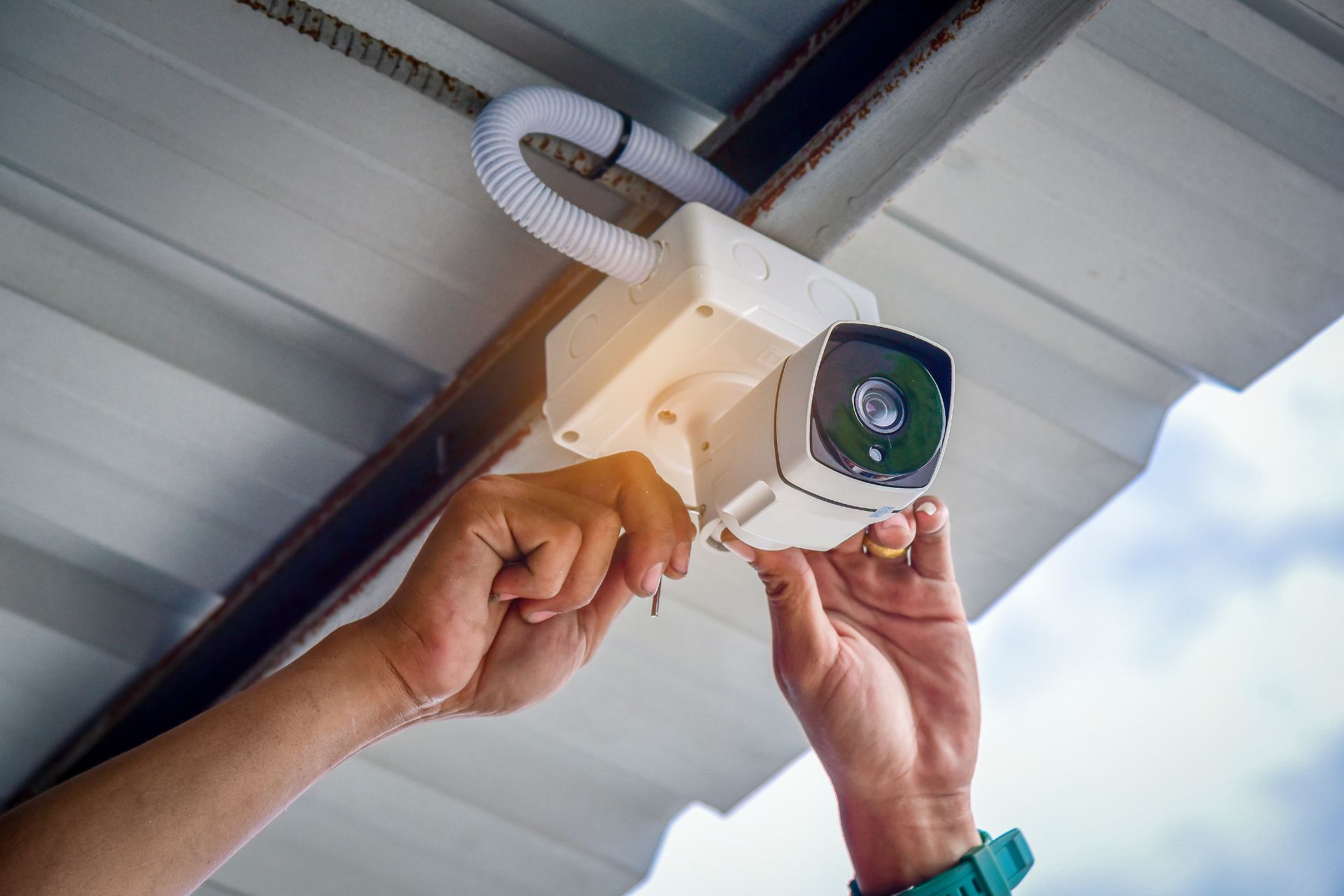
How To Ensure CCTV Installations Meet Regulatory Compliance Standards

How To Ensure CCTV Installations Meet Regulatory Compliance Standards

Contact Us

Commercial AV Services

  • Address: 2432 W Peoria Ave Suite 1204 Phoenix, AZ 85029
  • Phone: (602) 626-5800
  • Email: commercialavservices@mail.com

© Copyright - All Rights Reserved